About the hex nut
What the hex nut does on a fire line, and how to specify it.
The nut that holds the support together
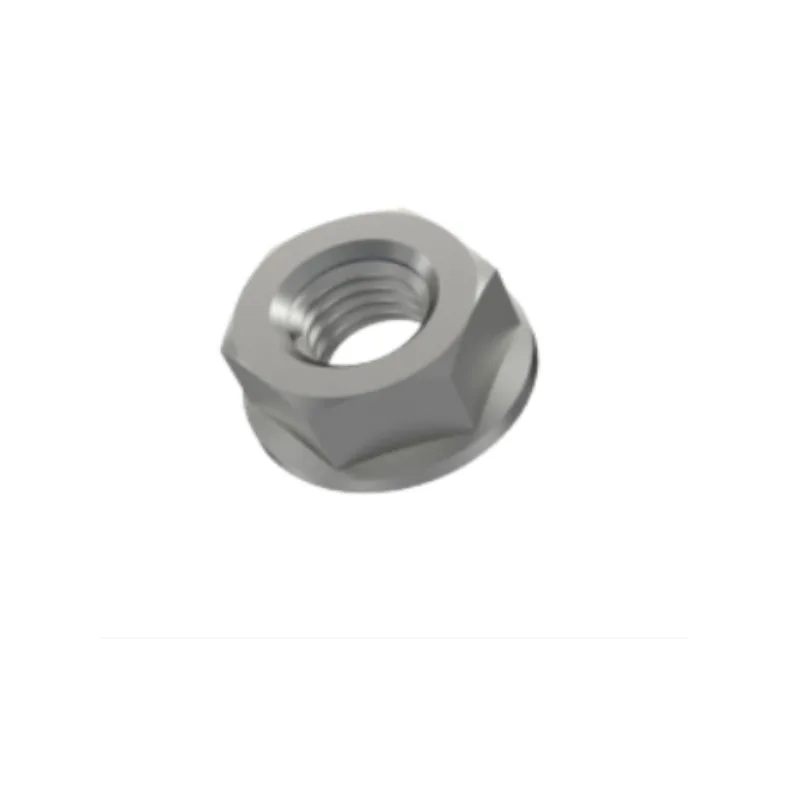
The hex nut is the internally threaded fastener that locks a bolt or rod in place. In a hanger assembly it is the part that takes up the load from the pipe and transfers it into the anchor. Six flat sides give a wrench a clean bearing, so it can be tightened to a firm, repeatable hold.
Sizing and pairing
The nut has to match the thread of the bolt or rod it is used with, so specify it against the fastener rather than on its own. Pair it with the matching washer so the load is spread when it is tightened, and use the correct count so the clamp does not ride on a single nut.
Material and finish
Carbon steel, electro-galvanized, the same spec as the rest of the fastener line. The finish protects the thread, which is what a nut is made of, in the damp air fire rooms often hold.
Ordering it right
Send the line with the rest of the assembly rather than as a single part. State the size against the pipe outside diameter it serves, the finish, and the count. Pair it with the matching threaded rod, nuts, washers and anchors from the same range, and flag whether the design needs the fire-rated, FM/UL marked version, so the support arrives with the pipe instead of chasing it later.